Luxury homes in Southern California have always been about how you live. For a long time, most buyers wanted the same things: a good area, a nice-looking home, and good materials. Ocean views, big kitchens, and backyards that feel like a vacation spot were often at the top of the list. Those things still matter, but buyers are starting to want different things too. More buyers now want a home that feels comfortable every day and helps them feel better over time. That is why wellness sanctuaries in Orange County are becoming a big part of luxury real estate.
A wellness sanctuary is not just a large house with a treadmill. It is a home planned to make daily life easier on your body and mind. It’s meant to take some pressure off your day and make it easier to stick to healthy habits. That can mean cleaner air and water, softer evening lighting, quieter rooms, and a dedicated space for recovery. A lot of these upgrades aren’t something you notice right away. From the curb, the home may look like any other luxury property, but once you’re inside, you can feel that it’s built to support everyday comfort.
Some buyers think of this as having a private “reset” place at home. Instead of driving to a spa or booking appointments, you can use your wellness space whenever you want. For people with busy schedules, it can feel like having an Orange County wellness retreat without leaving home.
The Biological Premium: Paying for Better Daily Life
In real estate, the word “premium” usually means a better view, a better lot, or a newer build. In wellness design, the premium is about biology. Buyers are willing to pay more for features that support the human body.
In simple terms, this “biological premium” is the extra value people place on homes that help them:
- Sleep better
- Breathe easier
- Feel calmer at home
- Recover faster after workouts or travel
- Keep healthier routines without extra effort
Many buyers are starting to choose wellness systems over purely decorative upgrades. They may prefer better air and water systems instead of rare stone or flashy details. For them, comfort is the new status symbol.
Why wellness-ready homes can cost more
Wellness upgrades often require careful planning and skilled installation. They can involve:
- HVAC changes for stronger air filtration
- Plumbing changes for water filtration and specialty showers
- Electrical planning for better lighting control
- Better windows and insulation for quieter rooms
- Space planning for recovery features like a sauna and a cold plunge
These improvements can take time to install. Many buyers prefer to buy a home that already has them, because remodeling can be slow, noisy, and stressful.
From Showy Luxury to Invisible Luxury
Traditional luxury was easy to spot. It was designed to impress guests. Today, more buyers want luxury that feels good to live in, not just luxury that looks expensive. This is often called “invisible luxury.”
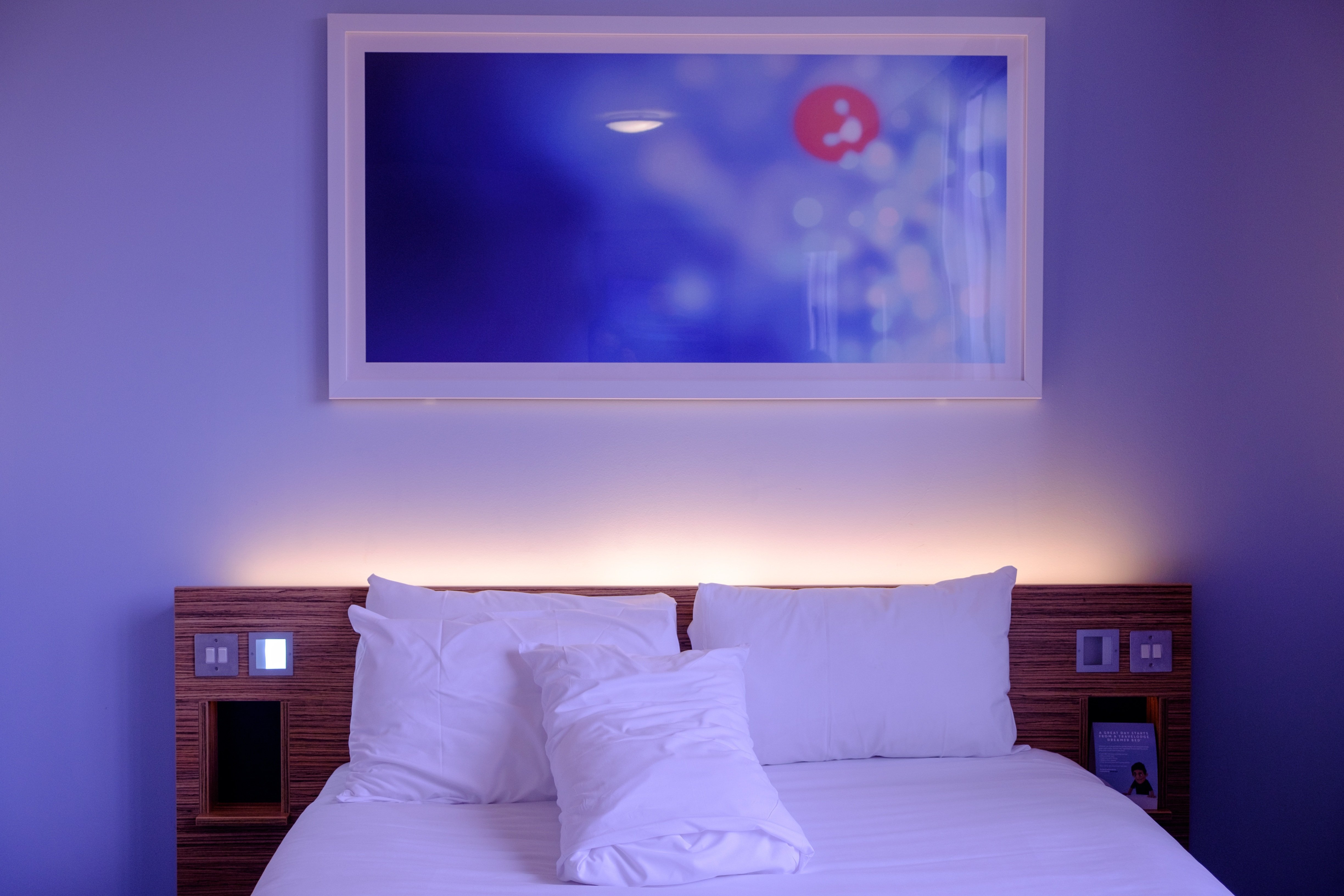
Invisible luxury is the comfort you feel in your body. It is the quiet bedroom, the clean air, the calm lighting at night, and the steady temperature that help you sleep.
Visible luxury: the classic style
Examples include:
- Rare marble and shiny finishes
- Huge entryways
- Big chandeliers
- Rooms built mainly for entertaining
- Decorative features that look great in photos
Invisible luxury: the wellness style
Examples include:
- Cleaner air inside the home
- Better water for drinking and showering
- Quieter rooms and better sound control
- Softer lighting in the evening
- Cooler bedrooms at night
Many buyers are tired of noise, traffic, and constant pressure. They want their home to feel like a calm place, not another source of stress. This is why people talk more about restorative Orange County luxury homes. “Restorative” means the home helps you recover, recharge, and feel steady.
The Wellness System Stack: What These Homes Include
Wellness design is not one feature. It is a group of systems that work together. You can think of it like a “stack” of upgrades. Each upgrade helps the home feel calmer, cleaner, and easier to live in.
Wellness system overview table
| System | What It Does | What You Feel |
|---|---|---|
| Air filtration and purification | Cleans indoor air | Easier breathing, less irritation |
| Water filtration | Improves water quality | Better taste, better showers |
| Lighting control | Adjusts light by time of day | Calmer evenings, easier sleep |
| Sound control | Reduces noise transfer | Quieter rooms, less stress |
| Temperature zoning | Controls temperatures by room | Cooler bedrooms, steady comfort |
| Recovery space | Supports rest and repair | Faster recovery, better routines |
A home does not need every item to be wellness-focused. Even two or three upgrades can make a noticeable difference. But when many of these systems are built in, the home begins to feel like a true sanctuary.
Clean Air: A Daily Upgrade You Notice Fast
Air quality is one of the most important wellness features. People spend a lot of time indoors, especially if they work from home. Indoor air can carry dust, pollen, pet dander, and tiny particles. In some seasons, smoke and outdoor pollution can also affect indoor air.
Wellness-focused homes treat indoor air as a priority. They aim to make the air feel clean and fresh, not heavy or stale.
Common air upgrades
- Higher-quality HVAC filters that catch smaller particles
- Whole-home air purification add-ons
- Better ventilation planning for steady fresh air
- Humidity control so the air is not too dry or too damp
Simple signs of better air design
- The home does not feel stuffy when the windows are closed
- Bedrooms feel comfortable at night
- The air feels cleaner, especially in the morning
- The mechanical room looks well-kept and organized
- Filters are easy to access and replace
Many buyers notice air quality upgrades quickly, especially if they deal with allergies. Clean air can also support better sleep because the body relaxes more easily when breathing feels smooth.
Clean Water: Better Drinking and Better Showers
Water is part of daily life. Buyers who care about wellness often ask about water systems because water affects:
- Drinking and cooking
- Showering and skin comfort
Some people do not like the taste of tap water. Others want to reduce harsh chemicals for bathing. Wellness homes often improve water quality to make daily routines feel better.
Common water upgrades
- Whole-home water filtration
- Reverse osmosis for drinking water at the kitchen sink
- Shower filtration, especially in the primary suite
- Water softening in homes improves comfort and appliances
Why buyers care about water
Most buyers describe the benefit in simple words:
- Drinking water tastes cleaner
- Coffee and tea taste better
- Cooking water feels more reliable
- Showers feel better on the skin and hair
- Daily routines feel smoother
These upgrades can also reduce the need for bottled water, which many buyers like for convenience.
Lighting and Sleep: Making Nights Feel Calmer
Lighting is a big part of wellness design because it affects sleep and mood. Bright, cool light at night can make it harder to relax. Softer, warmer light helps many people wind down.
Some luxury buyers look for homes with lighting plans that follow a natural day and night pattern. This is often discussed as circadian lighting luxury estates.
Simple explanation of circadian lighting
Circadian lighting is just lighting that follows the same pattern as the sun. During the day, the light is brighter and clearer to help you feel awake. In the evening, it shifts to softer, warmer light so your brain starts to slow down. At night, the goal is very low light that doesn’t feel harsh, so you can move around without “waking up” your body too much. This setup can help your body know when it’s time to be alert and when it’s time to rest.
Sleep-friendly lighting features
- Warm lights in bedrooms and hallways
- Dimmers that can go very low
- Simple lighting “scenes” for morning, day, evening, and night
- Strong shades to keep bedrooms darker
- Windows placed to bring in steady, balanced daylight
Even without a full smart lighting system, small upgrades like warmer bulbs and better dimmers can make a home feel much calmer at night.
Quiet Rooms: A Hidden Feature That Reduces Stress
Noise is a common stress trigger. A home can look beautiful but still feel tiring if sound travels easily. In wellness design, quiet is considered a luxury.
Common sound-control upgrades
- Better windows to reduce outside noise
- Added insulation in walls and ceilings
- Solid-core interior doors
- Layouts that place bedrooms away from loud living areas
What buyers notice when sound control is good
- Bedrooms feel calmer
- The home feels more private
- Work-from-home spaces feel easier to focus in
- Rest feels deeper at night
Quiet design is especially important for the primary suite, because sleep quality often depends on how calm the bedroom feels.
The Recovery Circuit: Why It Matters More Than a Home Gym
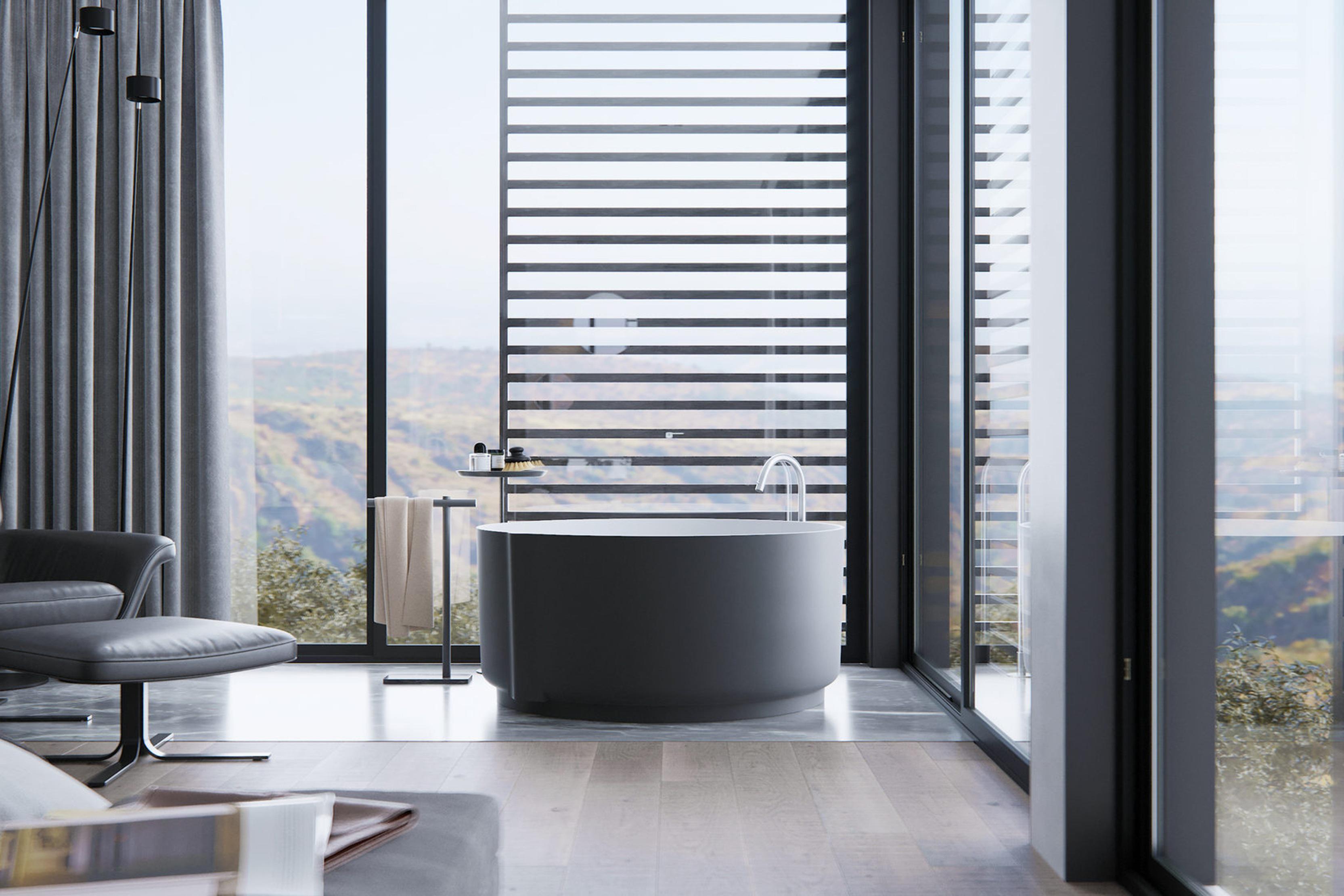
Many luxury homes still include a gym, but recovery spaces are becoming more popular. A recovery circuit is a dedicated area built to help the body reset. Instead of focusing only on exercise, it focuses on rest and repair.
Common recovery circuit features
- Cold plunge (often plumbed and ready for daily use)
- Infrared sauna or traditional sauna
- Stretching and mobility space
- Recovery shower setup
- Storage for towels and wellness items
Why buyers like recovery circuits
- They save time and reduce driving
- They make wellness easier to do every day
- They help people calm down after stressful days
- They support recovery after workouts and travel
- They feel like a private spa at home
Advanced add-ons in some very high-end homes
- Hyperbaric oxygen chambers
- Vitamin C shower systems
- Massage or treatment rooms
These add-ons are not common in every home, but they show up more often in the highest price ranges where owners want a complete private wellness setup.
Wellness Premium Comparison Table
This table shows a simple side-by-side look at standard luxury features versus wellness-focused features.
| Feature | Standard Luxury Home | Wellness-Focused Luxury Home |
|---|---|---|
| Primary suite | Large bath, steam shower | Recovery space and sleep-first design |
| Air system | Standard filtration | Higher filtration and purification |
| Water system | Standard plumbing | Whole-home filtration and better drinking water |
| Noise control | Standard construction | Quieter rooms and stronger sound control |
| Lighting | Basic LEDs and dimmers | Calmer evening lighting and lighting scenes |
The biggest difference is not always visible. It is how the home feels when you live in it every day.
Leading Wellness Areas in South Orange County
Wellness design can be found across the region, but certain areas fit the wellness lifestyle especially well. Many buyers want privacy, outdoor access, and homes that can support major upgrades.
The Strand at Dana Point
- Coastal setting and strong indoor-outdoor living
- Many modern homes that support advanced systems
- A private, resort-like feel for many buyers
San Clemente areas
- Often quieter than busier coastal zones
- Close to coastal trails and outdoor movement
- Strong indoor-outdoor living styles that feel relaxed
Crystal Cove and Shady Canyon
- More privacy and space in many parts
- Strong fit for larger wellness setups
- Often chosen by buyers who want a calm, self-contained feel
Buyers who want wellness sanctuaries in Orange County often compare these communities because the lifestyle matches what they want: calm, privacy, and long-term comfort.
What Buyers Should Ask During a Tour
Wellness upgrades can be hidden, so buyers should ask direct questions. This helps you understand what is already installed and what would need to be added later.
Buyer checklist
- What type of HVAC filtration is installed?
- Is there whole-home air purification?
- Is humidity controlled?
- Is there whole-home filtration?
- Is there reverse osmosis for drinking water?
- Are showers filtered in the primary suite?
- Are there lighting scenes for evening and night?
- Do dimmers go very low?
- Are bedrooms set up with warm lighting?
- How quiet is the primary bedroom?
- Are windows upgraded for sound control?
- Are bedrooms separated from loud living spaces?
- Is there space for a sauna or cold plunge?
- Is plumbing ready for a cold plunge?
- Is there privacy for an outdoor wellness area?
Even if a home is not fully wellness-ready today, the right layout can make it easier to build toward that goal later.
How Sellers Can Use Wellness Features to Stand Out
Luxury listings often compete on similar items: pools, kitchens, and finishes. Wellness upgrades can help a home stand out because they speak to daily comfort, not just style.
Wellness features that can strengthen a listing
- Better air filtration and purification
- Whole-home water filtration
- Sound improvements like upgraded windows
- Lighting updates that make evenings feel calmer
- A recovery space, or a room ready for one
Many buyers want wellness-ready homes because they do not want to live through a long remodel. When sellers explain wellness features clearly, they often attract more focused buyers.
This is another reason wellness sanctuaries in Orange County can hold a strong position in the luxury market.
The Real Return: Better Daily Life Over Time
Some buyers measure value only by resale price. Wellness buyers also think about quality of life. They want a home that supports:
- Better sleep over time
- Lower daily stress
- Easier wellness routines
- Comfort that supports the whole family
For them, the “return” is not only financial. It is how the home supports life day after day.

Closing Thoughts
Luxury in Orange County is still about being in the right place and having a well-built home, but more buyers are starting to look for comfort that’s built in from the start. They want cleaner air and water, softer lighting at night, quieter rooms, and a space where they can relax and recover. That is what makes wellness sanctuaries in Orange County different from standard luxury homes.
For buyers, the best move is to look beyond finishes and ask about the home’s systems. For sellers, wellness upgrades can create a strong reason for buyers to choose your home over another one. In today’s luxury market, wellness sanctuaries in Orange County are becoming a clear sign of what modern high-end living looks like.